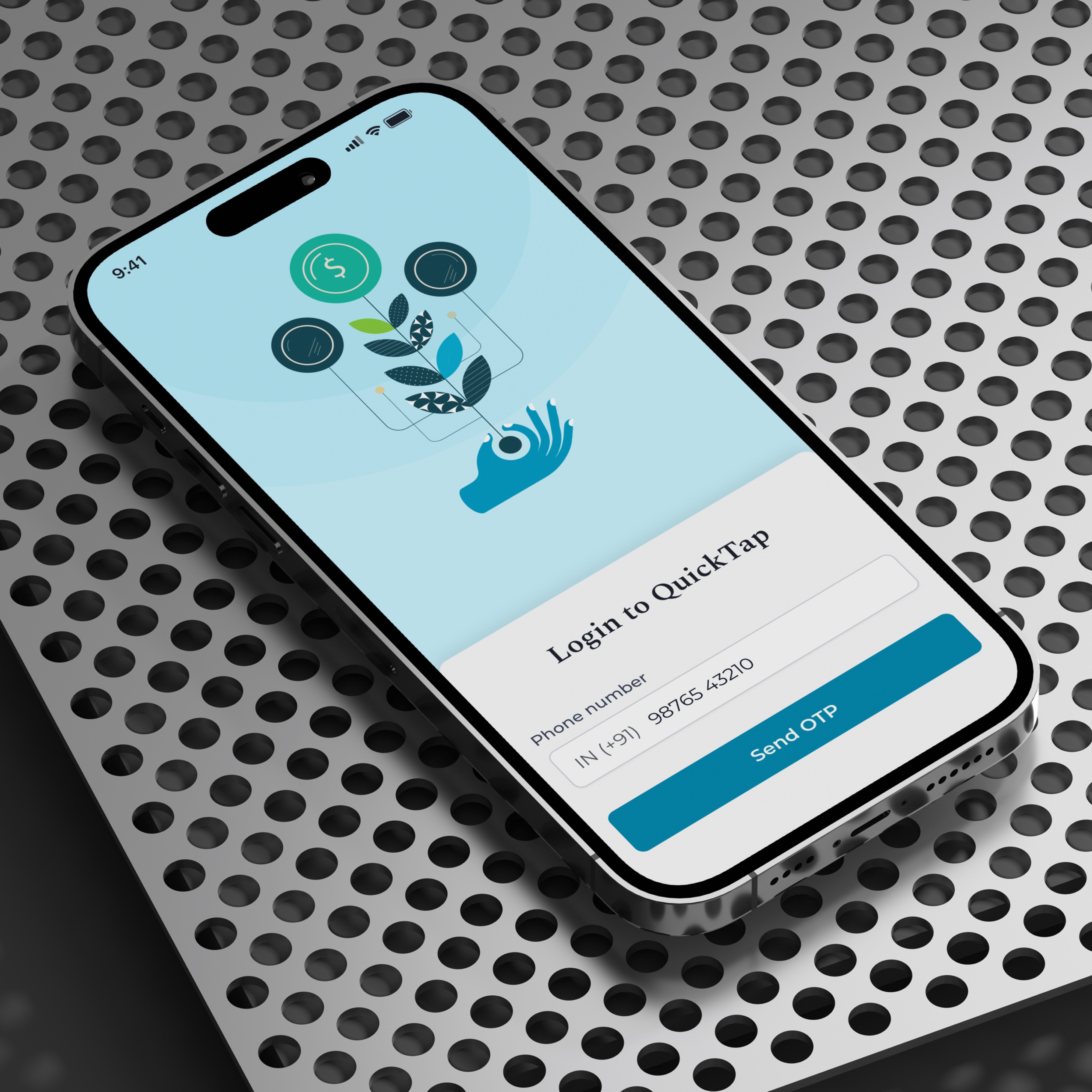
WealthRight's field agents capture leads at petrol pumps, housing societies, and school gates across urban India. Before QuickTap, all of it was on paper.
We designed their lead capture app in a 7-day sprint. Zero paper forms. 30 seconds to capture a lead.
Lead Capture Speed Increased
+ 2X
Data Accuracy Increased
Input Errors Reduced
- 90%
Picture this.
An insurance agent is standing outside a petrol pump. He's just had a two-minute conversation with someone interested in a mutual fund. He pulls out a paper form, scribbles down a name and phone number. The handwriting is rushed. He skips the income field because the conversation moved too fast. The form goes into a stack in his bag. By evening, it's at the branch office where someone tries to read it and type it into a CRM. The phone number has a digit missing.
That lead is gone. And this happens dozens of times a day, across hundreds of agents.
Petrol pumps, society gates, school entrances. That's where this app would live.
We went to those places. Watched agents work in sunlight, in noise, mid-conversation. Two things stood out. Agents had a natural conversation flow that didn't match the form's order. And they genuinely wanted a way to verify phone numbers on the spot but had no tool for it.
We built an app around how a street conversation actually works.
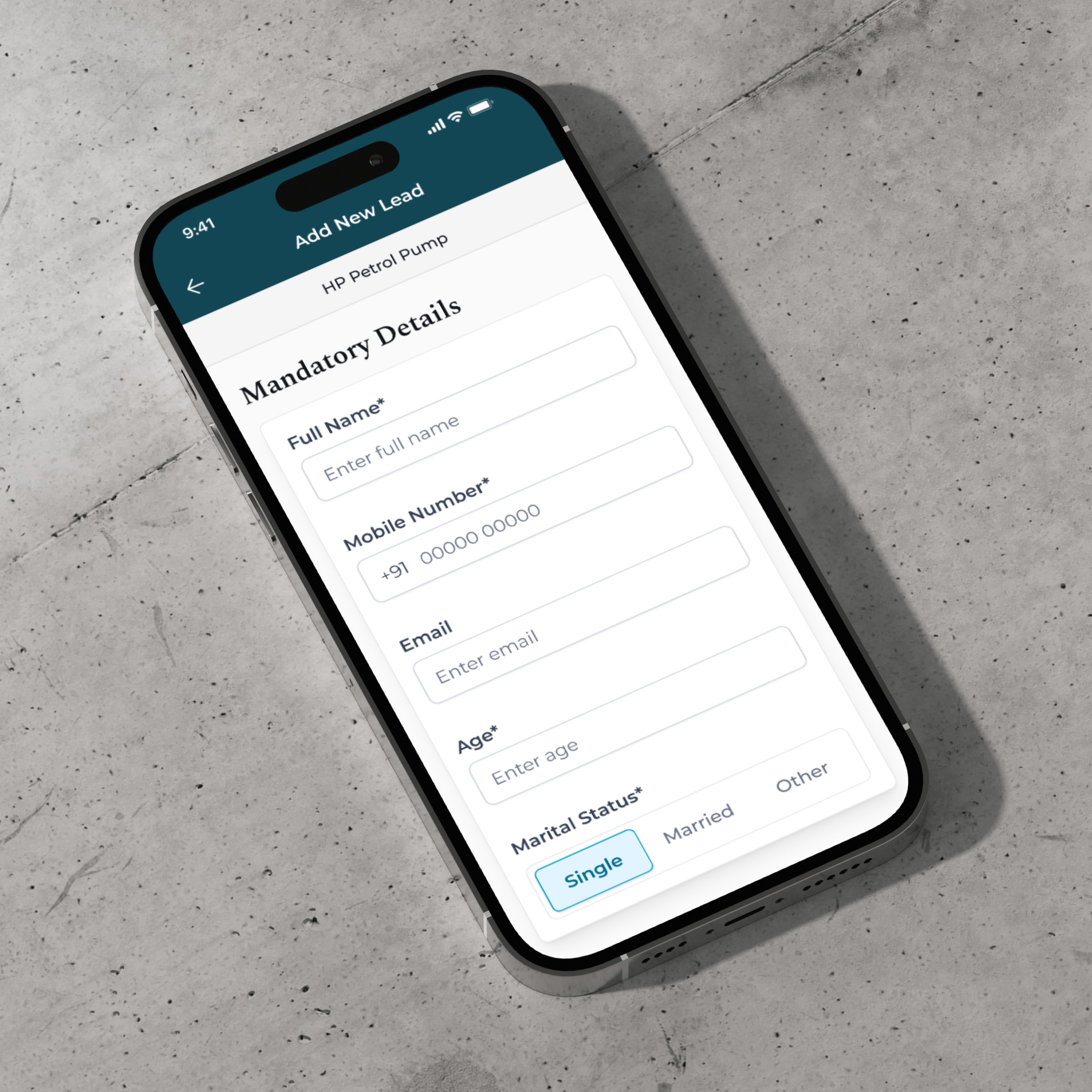
The lead form splits into mandatory and optional. Name, phone, marital status. That's it. Under 30 seconds. Optional fields are there for longer conversations but never block submission.
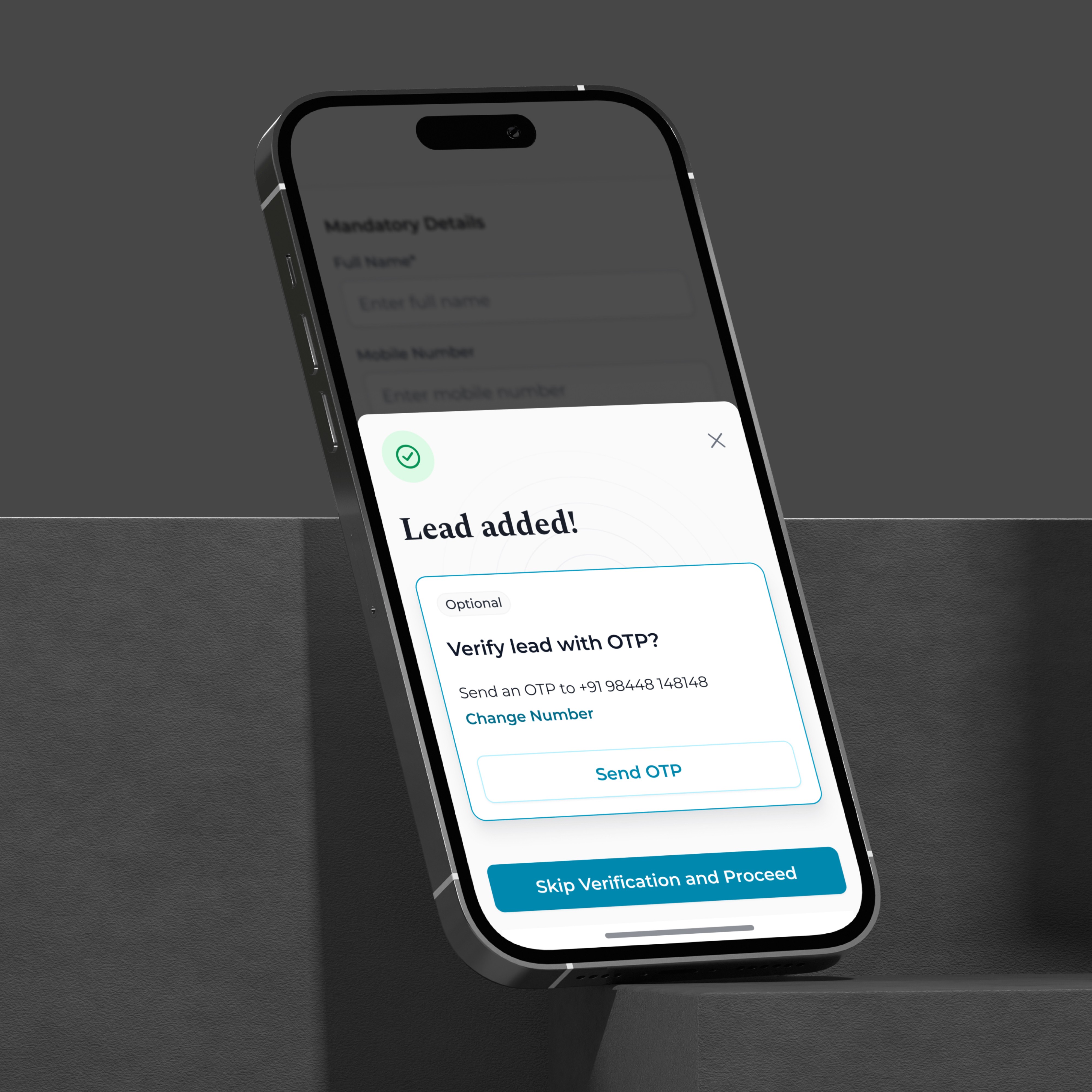
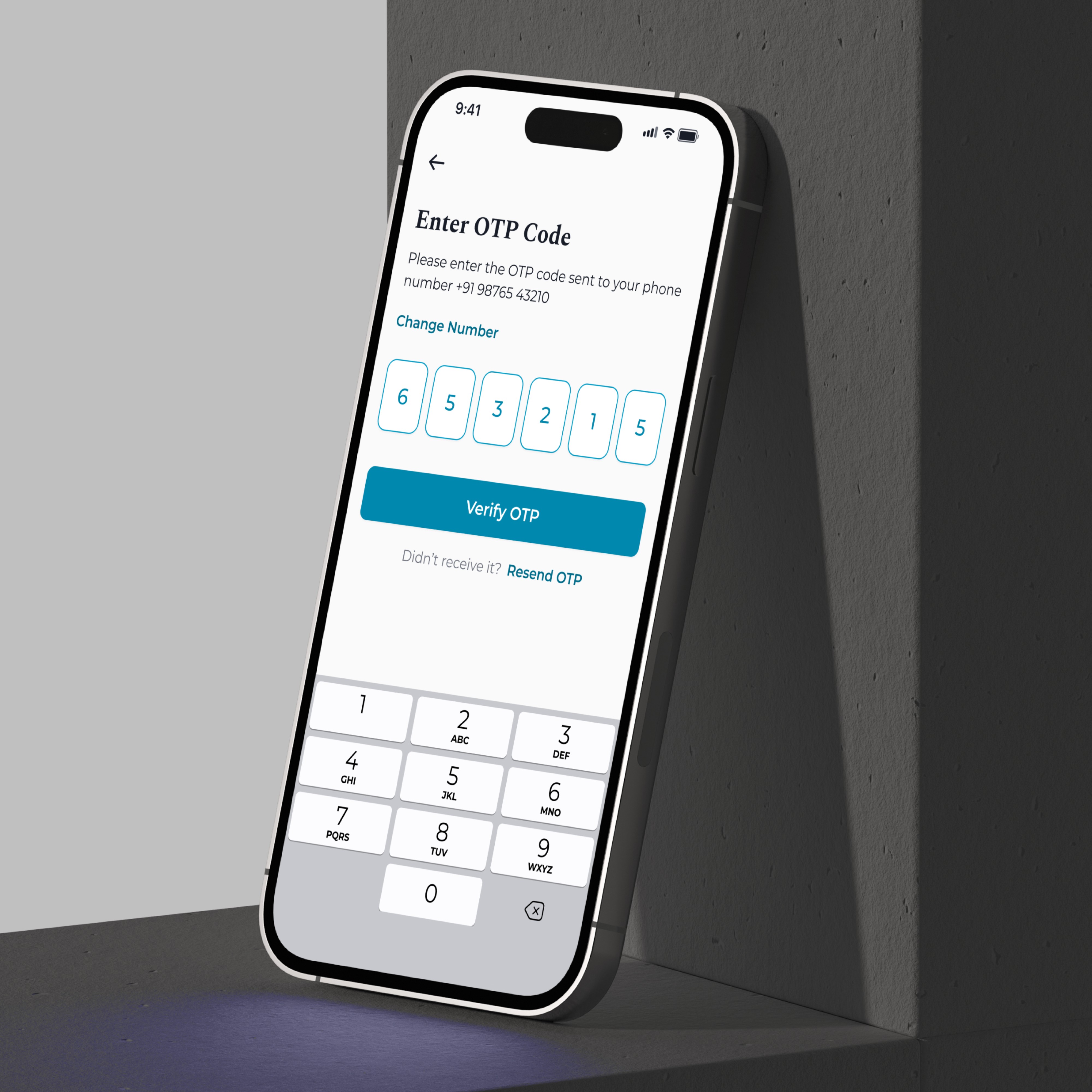
OTP verification comes after, not before. The lead is saved regardless. Verification is a bonus, not a gate. If a customer walks away before the OTP arrives, the data isn't lost.
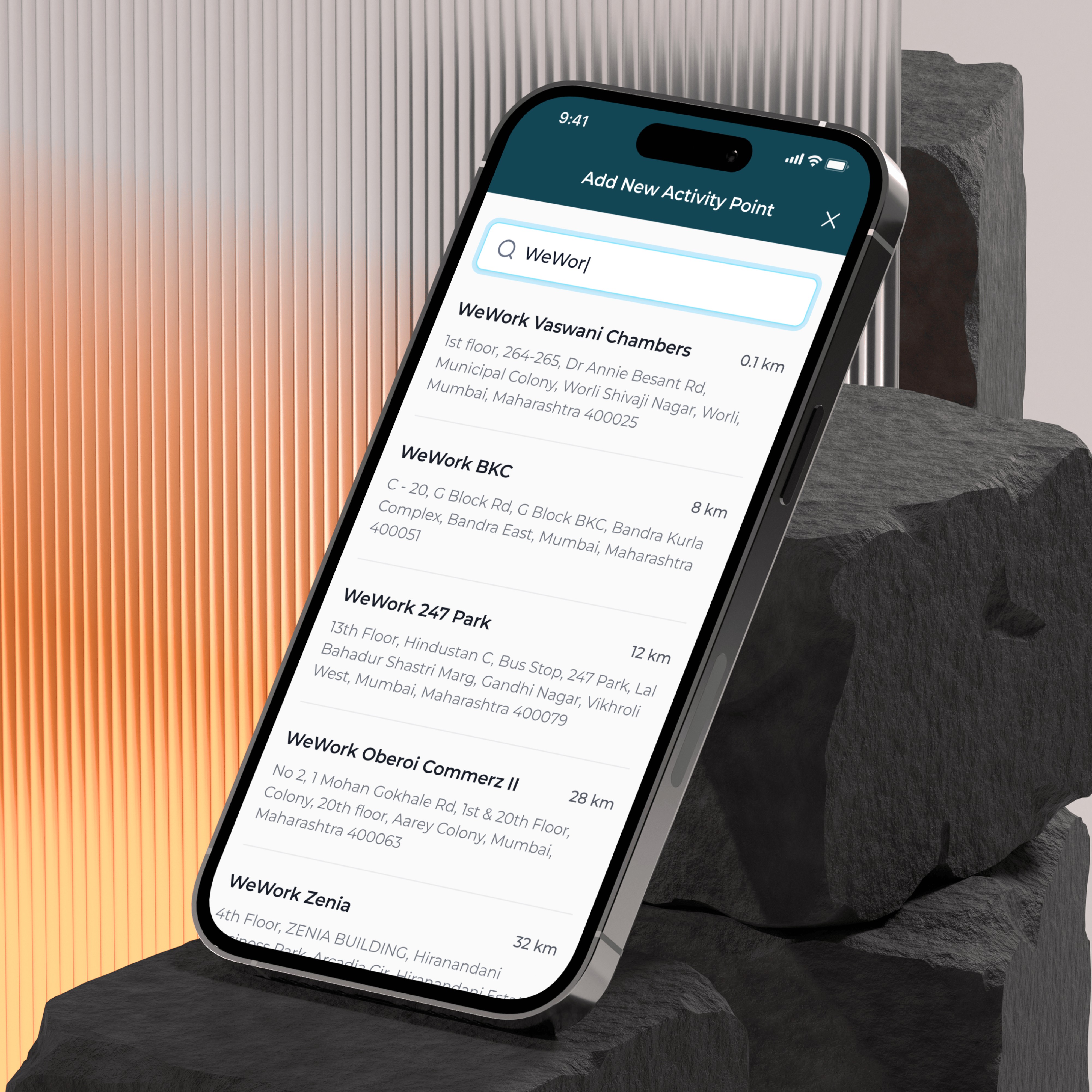
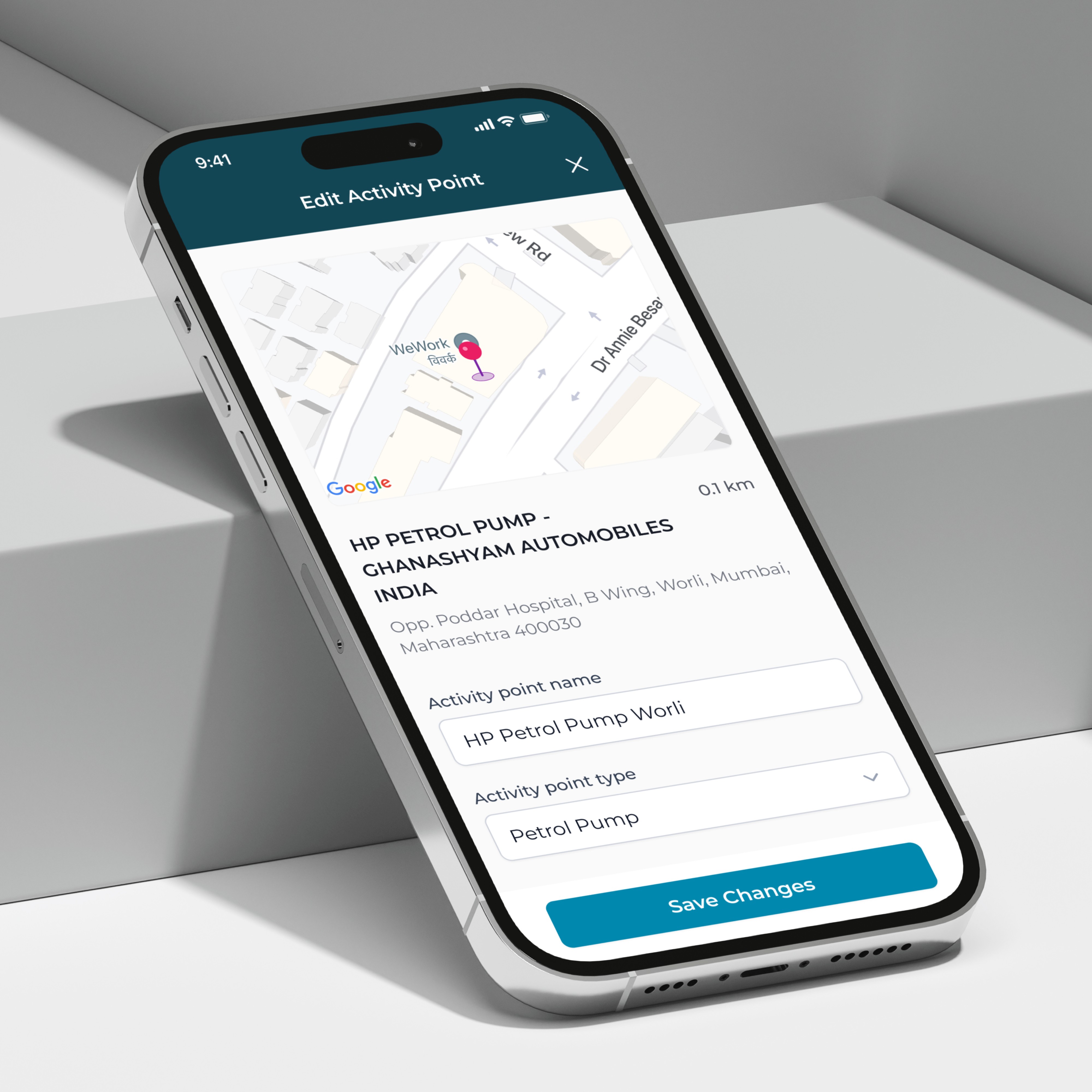
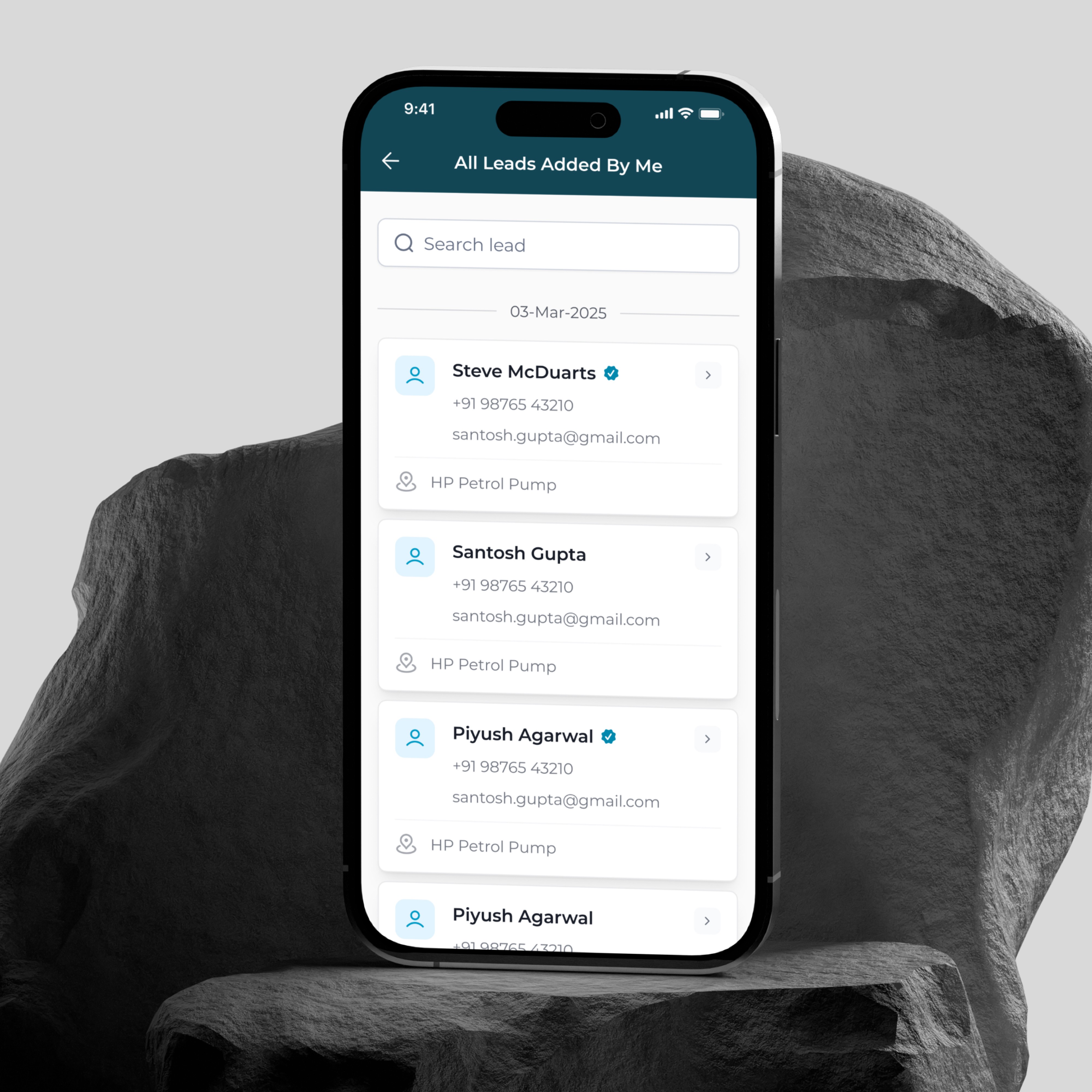
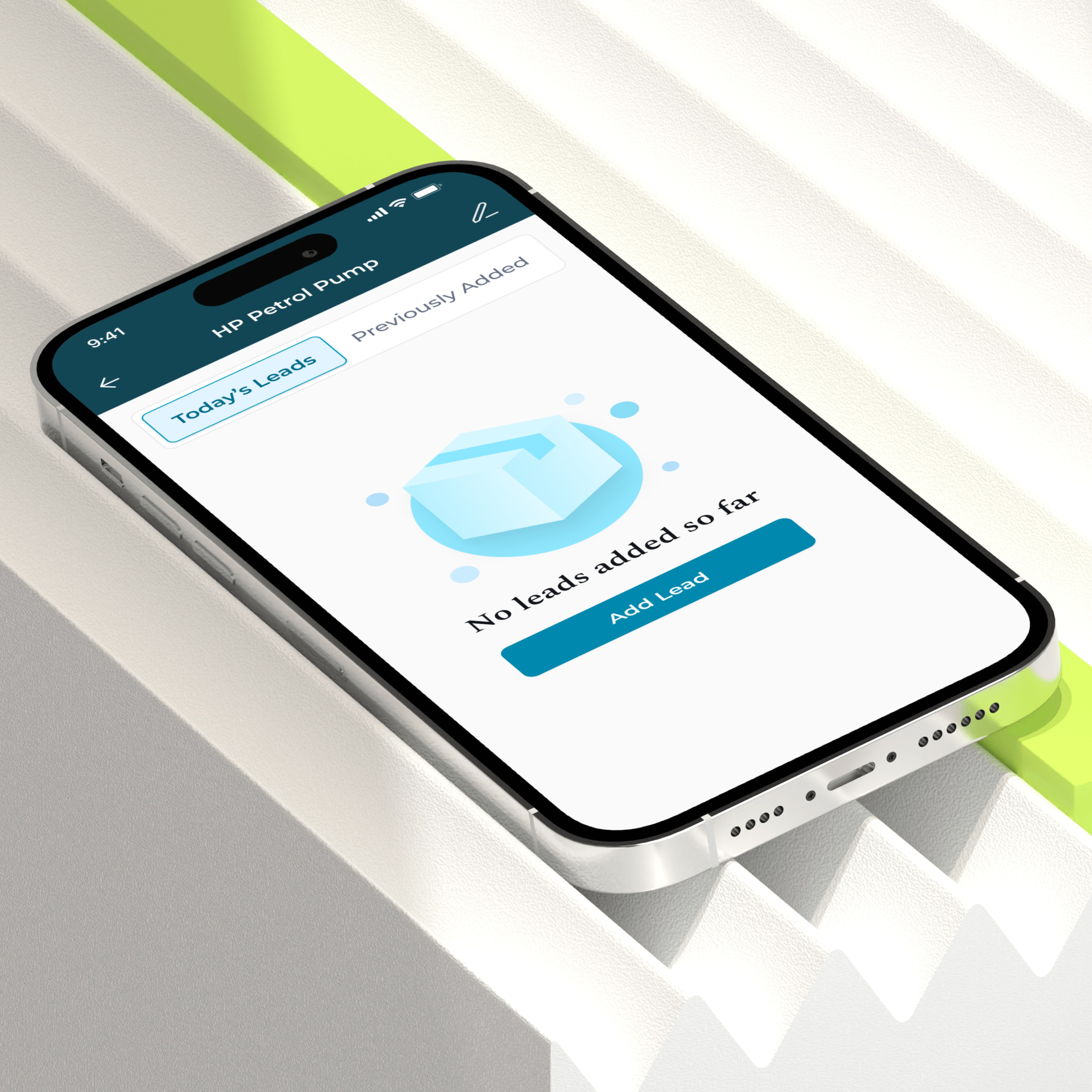
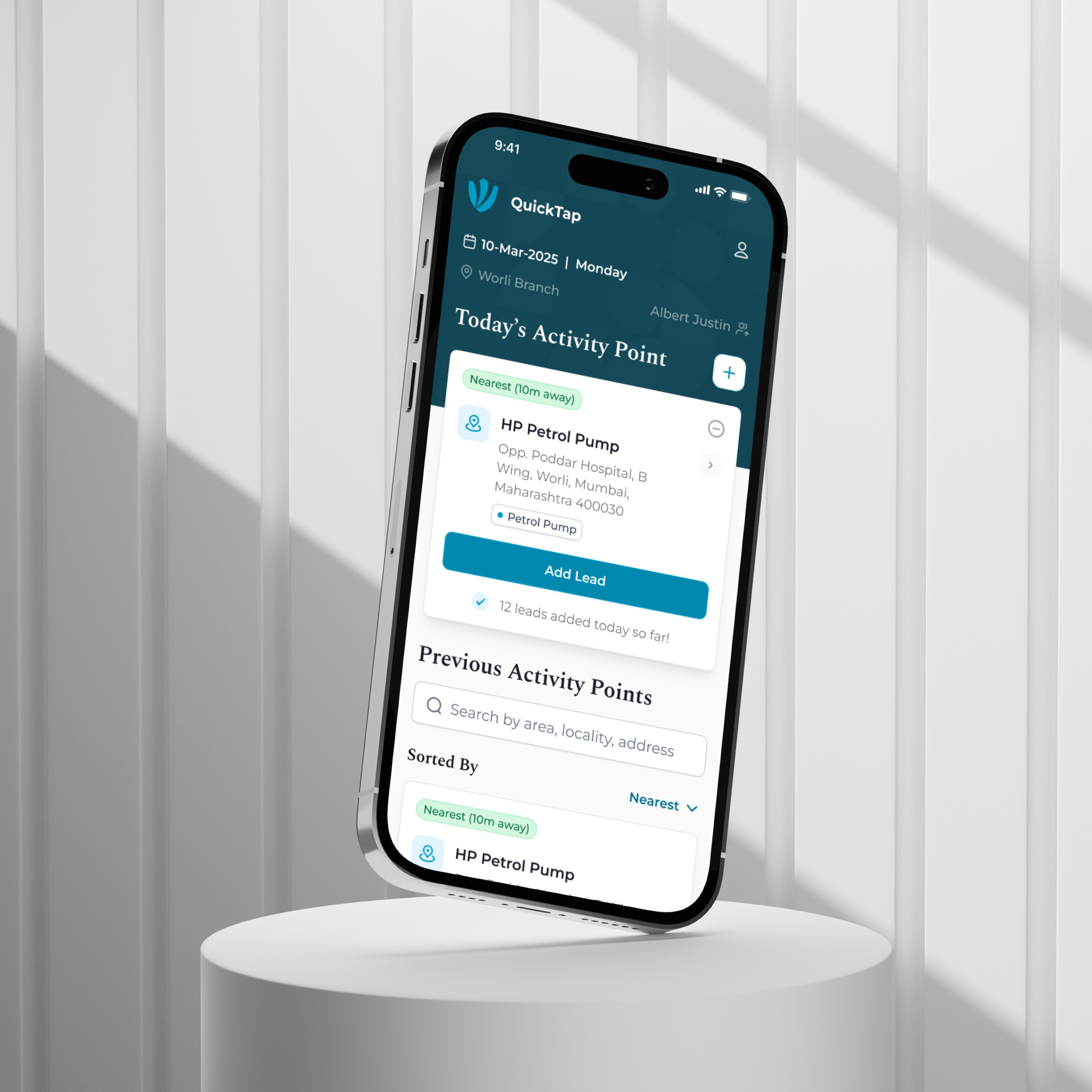
The home screen shows what agents care about. Today's location, a running lead count, and a history of previous spots sorted by distance with past lead numbers. It turned gut-feel decisions about where to work into informed ones.
Why this worked
We flipped the obvious sequence.
Most apps verify first, then save. We saved first, then offered verification. That meant no lead was ever lost to a dropped connection or a customer who walked away.
We separated must-have from nice-to-have.
Architecturally, not just visually. The mandatory/optional split was the single biggest design call in the whole project.
We treated the 7-day constraint as a feature.
No time to over-engineer. Focused research led to focused decisions. The app stayed lean because it had to.